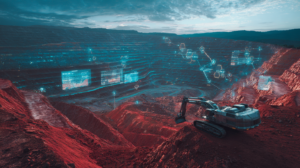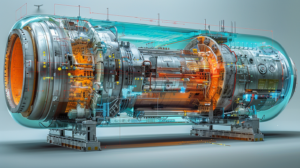
The current discourse surrounding Artificial Intelligence often focuses on large language models and neural networks. However, AI is not merely an accumulation of code; it is a physical entity comprising massive data centers, thousands of miles of wiring, and hardware that demands unprecedented levels of power. The critical infrastructure supporting this digital frontier is copper. Goldman Sachs has appropriately labeled copper as the new oil. While petroleum fueled the internal combustion era, copper serves as the nervous system for the dual forces of electrification and digitalization in the AI age. This report analyzes the structural deficit in the copper market and the five dominant mining companies positioned to capture this generational wealth opportunity.
1. The Physical Constraint: Why AI Demands Copper
AI data centers consume power at a rate significantly higher than traditional facilities. The latest high-performance chips require immense amounts of electricity, which translates into substantial heat generation. Managing this power and heat requires infrastructure built on copper, the metal with the highest electrical conductivity among non-precious metals.
Traditional data centers require approximately 20 tonnes of copper per Megawatt ($MW$). In contrast, AI-focused facilities are estimated to require 3 to 5 times that amount due to the density of the hardware and the complexity of the cooling systems. Beyond the server racks, the expansion of the global electrical grid and the build-out of transformer stations to support these centers create a floor for demand that has no viable substitute.
The supply side presents a grim outlook. Global ore grades have been declining for decades. Where miners once extracted 10 kilograms of copper per tonne of earth, many now struggle to find 5 kilograms. Furthermore, the lead time for a new greenfield mine to reach production is currently between 10 and 15 years due to environmental regulations and geopolitical complexities. This structural imbalance—explosive demand met by stagnant supply—is the fundamental thesis for copper hegemony.
2. The Power Players: Global Top 5 Mining Companies
- Freeport-McMoRan (FCX)Freeport-McMoRan is widely considered the premier pure-play copper producer. Unlike other diversified mining giants, Freeport’s primary revenue driver is copper, providing investors with the highest sensitivity to the metal’s price fluctuations. The company’s crown jewel is the Grasberg mine in Indonesia. Once the world’s largest open-pit mine, it has successfully transitioned to a massive underground operation. This underground transition allows for stable, high-grade production regardless of surface weather conditions. With additional significant assets across North and South America, Freeport-McMoRan is positioned to benefit most directly from a surge in copper prices.
- BHP Group (BHP)Headquartered in Australia, BHP is the largest mining company in the world. While iron ore historically dominated its portfolio, the company has signaled a massive strategic shift toward copper. BHP operates Escondida in Chile, the world’s largest copper mine, which accounts for a significant portion of global supply. The company’s recent attempts to acquire other major miners underscore its urgency to secure more copper assets. For investors seeking a combination of stability, massive cash flow, and high dividends, BHP represents the bedrock of a capital allocation strategy in the commodities sector.
- Rio Tinto (RIO)Rio Tinto is successfully pivoting from iron ore dominance toward energy-transition metals. The focal point of this ambition is the Oyu Tolgoi mine in the Gobi Desert of Mongolia. Oyu Tolgoi is on track to become the fourth-largest copper mine globally. Rio Tinto has invested billions to increase its stake and transition the mine to underground production. As this capacity comes online through 2030, Rio Tinto’s copper output is expected to grow by over 25%. This makes it a compelling growth story within the framework of a mature, dividend-paying mining giant.
- Southern Copper (SCCO)Southern Copper is the industry leader in efficiency and longevity. Operating primarily in Mexico and Peru, the company boasts some of the lowest cash costs in the sector. This efficiency ensures that Southern Copper remains profitable even during cyclical downturns in commodity prices. Perhaps more importantly, Southern Copper holds the largest copper reserves of any publicly traded company. Its reserves are estimated to last for over 70 years at current production rates. While geopolitical tensions in South America remain a variable, the company’s combination of low-cost production and unmatched reserve life provides a significant margin of safety for long-term capital.
- Ivanhoe Mines (IVN)If the other companies are the established empires, Ivanhoe Mines is the rising power. Led by mining financier Robert Friedland, Ivanhoe has developed the Kamoa-Kakula copper complex in the Democratic Republic of the Congo (DRC). Kamoa-Kakula is unique due to its extraordinary ore grades, which are 5 to 10 times higher than the global average. This high concentration allows for rapid production scaling and high profit margins. Despite the jurisdictional risks associated with operating in the DRC, the sheer economic quality of the asset makes Ivanhoe Mines an aggressive but essential component of a global copper portfolio.
3. Investment Strategy: Owning the Infrastructure of the Future
Investing in copper mining is not a short-term trade; it is a strategic allocation into the physical infrastructure of the digital age. Success in this sector requires a mindset focused on the preservation of capital and the capture of structural trends.
- Focus on Cash Flow: Prioritize companies like BHP and Rio Tinto that share profits with shareholders. Using dividends to reinvest and increase your share of the global copper supply allows for the compounding of wealth over time.
- Geopolitical Diversification: Because copper is often found in politically sensitive regions, diversifying across different jurisdictions—such as North America (FCX), South America (SCCO), and Africa (IVN)—is vital to protecting a family legacy from localized risks.
- The Cycle as an Ally: Copper is a cyclical commodity. When the market fears a recession and prices are suppressed, the strategic investor expands their territory. The long-term demand from AI data centers is far more persistent than short-term economic fluctuations.
4. Conclusion: Securing Your Territory in the AI Era
The winners of the AI revolution will not be limited to those who design the software. The true beneficiaries will include those who own the physical foundations that make the digital world possible. Copper mining companies are the gatekeepers of this foundation.
Establishing a position in these top five companies is akin to acquiring oil fields a century ago. It is a decision based on structural necessity rather than speculation. As AI data centers continue their global expansion, the world will find itself in a desperate search for the copper required to power them. By then, the territory will already have been claimed by those with the foresight to invest today.
True wealth preservation is built on owning assets that the world cannot do without. In the 21st century, that asset is copper.